

If you’re like us and love to read, then click here to score tons of free and discounted ebooks.
One of the quiet surprises of writing a book is realizing that finishing the first draft isn’t actually the end. It’s the beginning of revision. For many writers, this realization is discouraging. You’ve already spent months—sometimes years—getting the story onto the page. The idea of rewriting it multiple times can feel overwhelming.
But revision becomes much easier once you understand one important truth: Not every draft is trying to do the same job. Each draft serves a different purpose. When you know what stage you’re in, the process becomes far less confusing.
What a “Draft” Actually Is
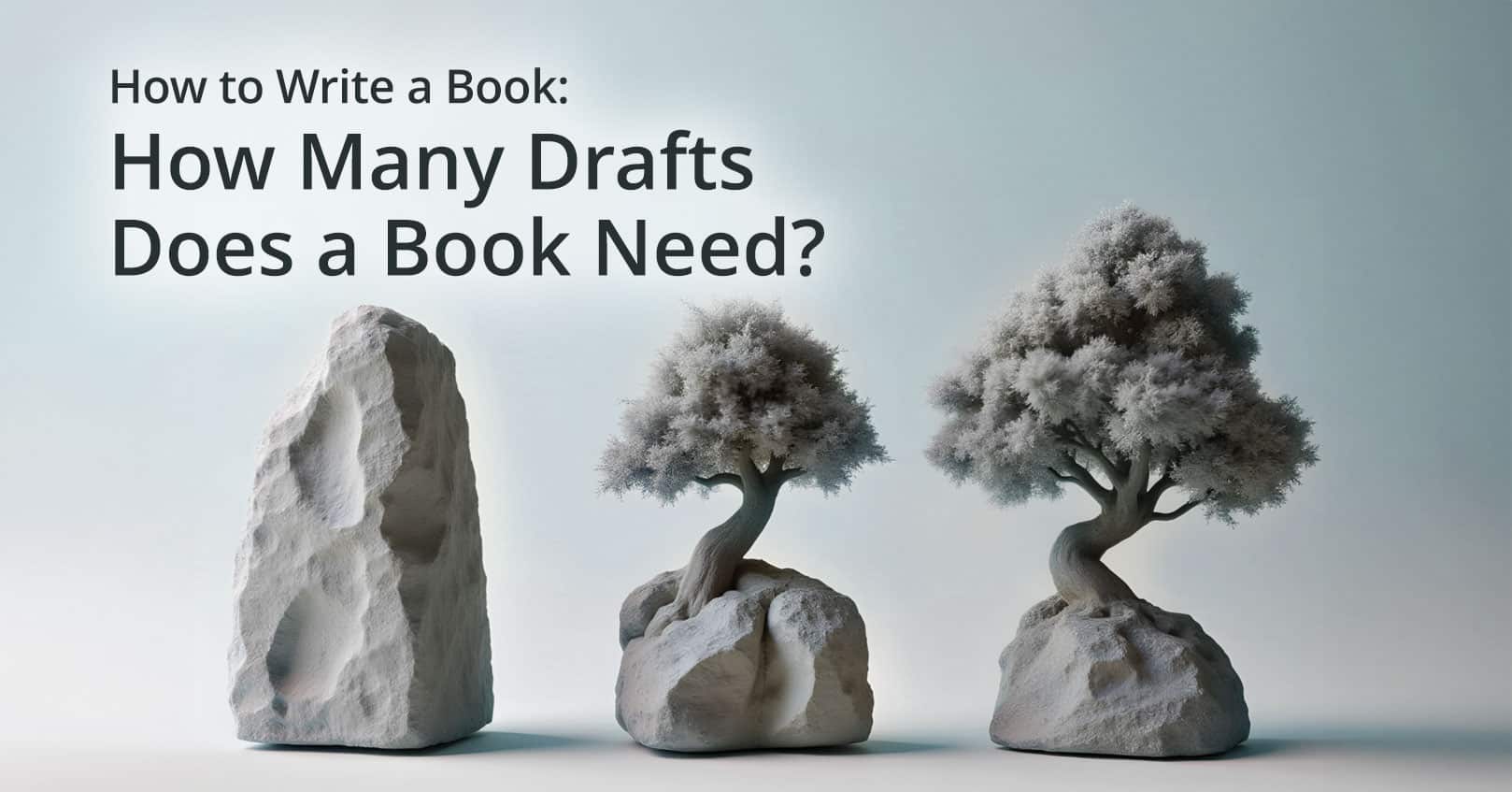
Writers sometimes talk about drafts as if they’re complete versions of a book. In reality, a draft is simply a stage in development. This means a draft doesn’t need to be perfect. It doesn’t even need to be good. It only needs to accomplish the specific goal of that stage.
If you expect your first draft to read like a finished novel, revision will feel endless. But if you treat drafts as steps in a process, each pass becomes clearer and more manageable.
The Three Common Draft Stages
While every writer’s process is slightly different, most books move through three broad stages.
Draft One: Discovery
The first draft is about finding the story.
You’re exploring:
- Who the characters really are
- What the story is actually about
- Where the turning points belong
- What the ending might look like
This draft often includes:
- Rough scenes
- Missing transitions
- Inconsistent details
- Notes to yourself in the margins
That’s normal. The goal isn’t polish. The goal is completion. Once you reach the end, you finally understand the book well enough to shape it.
Draft Two: Structure
The second draft focuses on making the story work.
Here you look at larger questions:
- Does the beginning lead naturally into the middle?
- Are the stakes clear and escalating?
- Do characters’ choices drive the story forward?
- Does the ending deliver on the promise of the opening?
This is the stage where scenes may be:
- Rewritten
- Moved
- Expanded
- Cut entirely
It’s often the most demanding part of revision, because it requires stepping back and looking at the book as a whole.
Draft Three: Polish
Once the structure is solid, attention shifts to refinement.
This stage focuses on:
- Strengthening dialogue
- Improving pacing
- Clarifying language
- Tightening sentences
You’re no longer changing the bones of the book. You’re smoothing the surface so readers can move through the story easily. This is also when many writers seek outside feedback, whether from beta readers, critique partners, or editors.
Signs You’re Revising Too Early
Many writers start editing before the first draft is finished.
Common signs include:
- Rewriting the same chapter repeatedly
- Fixing sentences while the story is still unfolding
- Avoiding later chapters because earlier ones feel unfinished
Early revision can feel productive, but it often slows the entire process. Until the story reaches the end, you don’t yet know what the beginning needs.
Signs You’re Revising Too Long
On the other hand, some writers get stuck in revision for years.
Watch for these signals:
- Changes are becoming smaller and smaller
- You’re adjusting sentences rather than scenes
- The story itself isn’t improving—only the wording is changing
At this stage, the book may be ready for fresh eyes rather than more solitary edits.
Label Your Current Draft
If revision feels confusing right now, try a simple exercise. Open your manuscript and ask yourself:
What am I actually working on in this version?
Are you:
- Discovering the story?
- Fixing structure and pacing?
- Polishing language and clarity?
Once you identify the stage, label the draft accordingly.
“Discovery Draft.”
“Structure Draft.”
“Polish Draft.”
The label reminds you what the goal is—and what it isn’t.
You don’t need to solve every problem in every draft. You only need to focus on the task in front of you.
Revision Is Where Books Become Books
The first draft is where the idea becomes visible. Revision is where the book becomes readable. When you understand the purpose of each draft, the process stops feeling like endless rewriting and starts feeling like steady refinement.
In the final post of this series, we’ll tackle the last question many writers wrestle with: How do you know when it’s finally time to stop editing?













Comments