

If you’re like us and love to read, then click here to score tons of free and discounted ebooks.
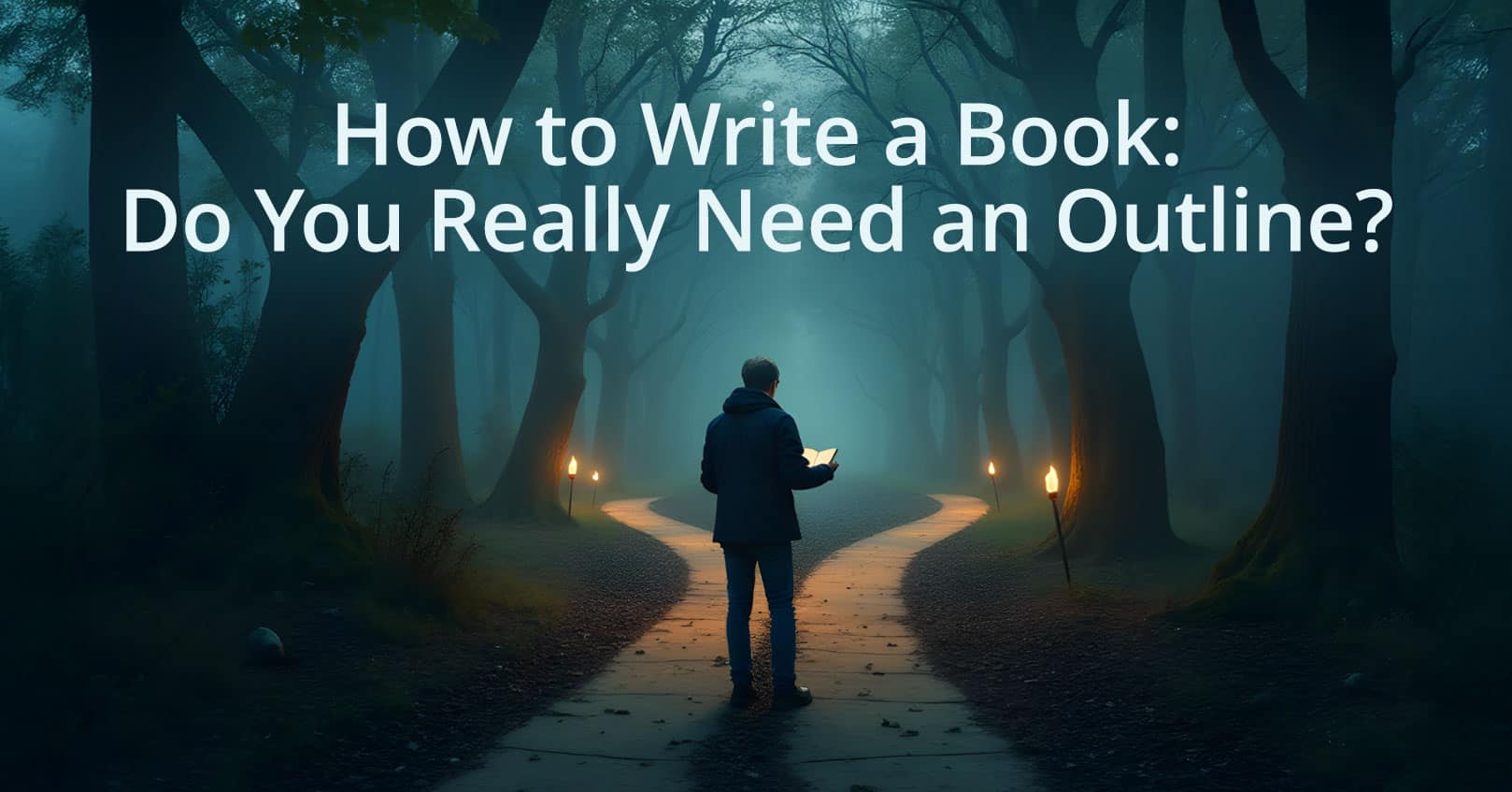
Few writing questions create more anxiety than this one. Some writers swear outlines are essential. Others insist they kill creativity. If you’ve ever stalled out before chapter one because you were “supposed to outline,” or abandoned an outline halfway through because it felt wrong, you’re not alone.
The truth is simpler—and more freeing—than either side usually admits. You don’t need an outline. But you do need a way forward.
Why Writers Resist Outlines
Outlines tend to fail writers for predictable reasons:
- They feel rigid or restrictive
- They create pressure to “get it right” before writing
- They make the book feel finished before it’s written
For many writers, outlining becomes a way to delay the discomfort of drafting. For others, skipping an outline becomes a way to avoid decisions.
Neither extreme is the problem. The problem is expecting one method to work for everyone.
What an Outline Is Actually For
An outline is not a contract. It’s not a promise to your future self. It’s not a test of your skill. An outline is simply a tool that answers one question: What am I writing next? If your process can answer that question consistently, you’re doing it right—outline or not.
Three Ways Writers Plan (Without Overthinking It)
1. The Minimalist Approach
You know:
- Your starting point
- A handful of major moments
- A possible ending
Everything else is discovered through drafting. This works well for writers who think best in motion.
2. The Loose Roadmap
You sketch:
- Beginning, middle, and end
- Major turning points
- Emotional or thematic shifts
Details are flexible. Order can change. This approach provides direction without suffocation.
3. No Outline at All
Some writers truly don’t plan in advance—and still finish books.
What they do have is:
- A strong central question
- A clear sense of what the book is about
- The discipline to keep writing even when unsure
If you choose this route, momentum becomes your structure.
How to Tell Which You Need
Ask yourself:
- Do I freeze when I don’t know what comes next?
- Do I lose interest if everything feels pre-decided?
- Have I finished projects before using this method?
Your past behavior is the best indicator of what will work—not what other writers recommend.
The One-Page Roadmap Exercise
If you’re unsure where you fall, try this:
On a single page, write:
- Where the book begins
- Three to five moments you’re excited to write
- Where the book might end
That’s it. No chapter breakdowns. No scene lists. No pressure.
If this page helps you write, you have enough structure. If it feels limiting, set it aside and draft anyway.
Outlines Can Change—and Should
Many writers treat outlines as something that must be obeyed. In reality, they’re meant to be discarded the moment they stop helping.
Changing direction doesn’t mean you planned poorly. It means you learned something while writing. That’s not failure. That’s process.
The Real Question Isn’t “Do I Need an Outline?”
It’s this: What helps me keep going when the writing gets hard?
Choose the method that keeps you moving forward—not the one that looks best on paper.
In the Next Post
In the next post, we’ll look at a question that quietly derails more books than any other: How long should a book actually take to write—and why most timelines fail.











Comments