

If you’re like us and love to read, then click here to score tons of free and discounted ebooks.
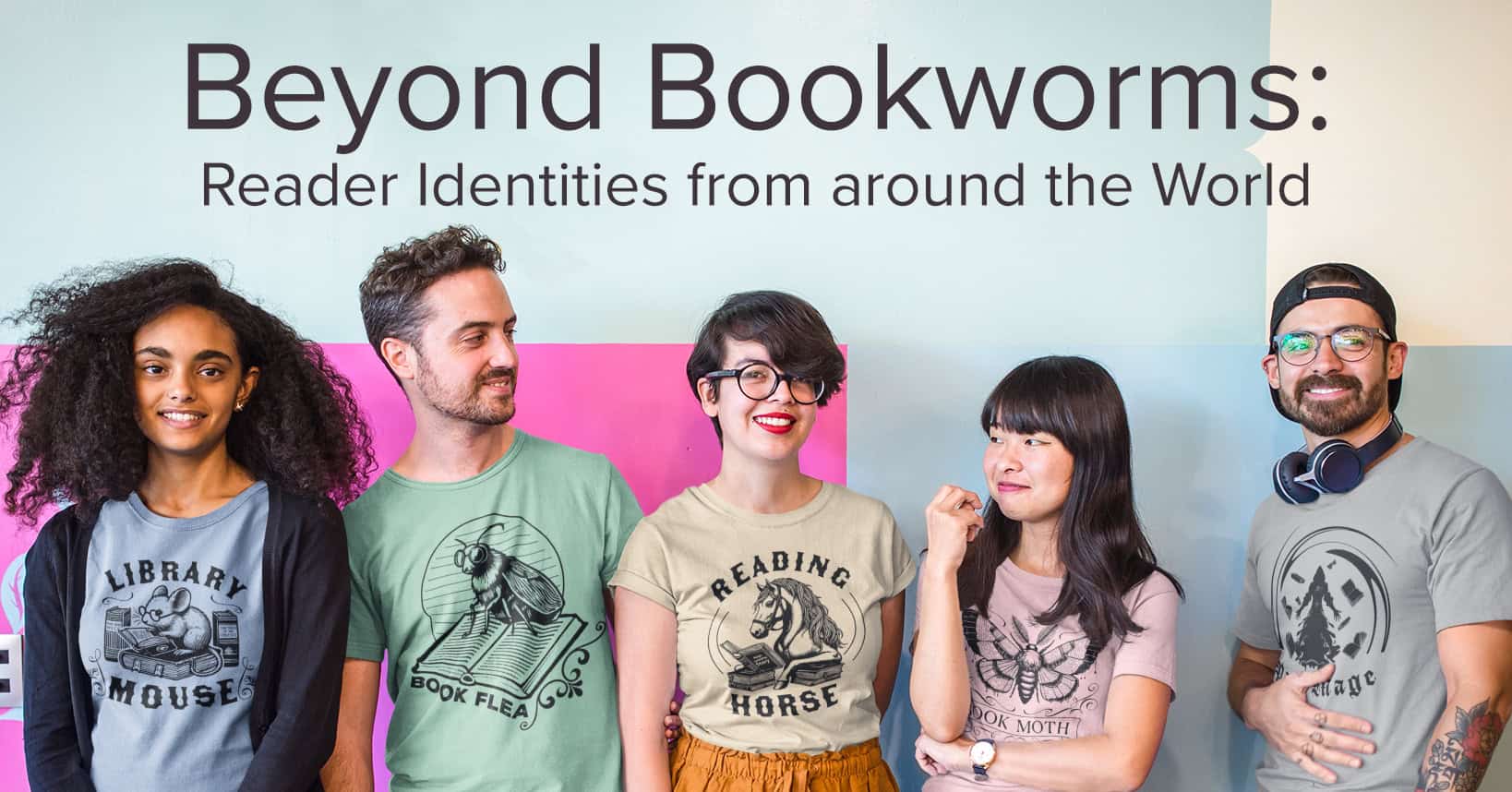
Every reader knows the thrill of getting lost in a great book—but did you know that across the globe, bibliophiles have coined dozens of whimsical nicknames to express that same passion? From France’s dramatic Ink Drinkers and Italy’s voracious Book Eaters to Hungary’s nocturnal Book Moths and Denmark’s speedy Reading Horses, each culture brings its own playful flair to the universal joy of reading. Whether you’re a meticulous Library Mouse scurrying through quiet stacks, a free-spirited Book Flea hopping between genres, or a mighty Book Dragon guarding your treasured hoard, there’s a moniker that perfectly captures your personal reading style.
In this post, we’ll journey through a dozen of these reader identities—exploring their origins, cultural backstories, and the personality traits they best represent. You’ll meet the contemplative Page Mage who conjures new worlds with every page turn, the steadfast Reading Rat who nibbles through a mountain of titles, the heartfelt Letters-Wounded drawn to confessional prose, and many more. Ready to discover which global bookish persona you truly are? Let’s dive in! Beginning with the classic Book Worm.
1. Book Worm
Bookworm first crept into the English language in the 1590s, combining book + worm to describe both the insect larvae that bored through bindings and the “person devoted to study.” Early usages were almost always derogatory—playwright Ben Jonson mocked them as “candle-wasters,” and Gabriel Harvey lumped them with heavy drinkers as idle folk who preferred pages to life itself. Rude, right?
Over time, however, “bookworm” shed its insult and became a badge of honor for avid readers. Today it idiomatically celebrates anyone who devours volumes with unquenchable curiosity. A true Bookworm is introspective and endlessly curious—often found curled up in a cozy nook, nose buried in everything from dusty tomes to the latest bestsellers. They tend to build sprawling personal libraries, treasure first editions and autographed copies, and delight in sharing recommendations. If you’ve ever measured your worth by the height of your TBR stack or felt a twinge of panic at the thought of a weekend without a book, congratulations—you’re the quintessential Bookworm!
2. Book Moth
 Book Moth first fluttered into reader vocabulary in Hungary, where the compound könyvmoly—literally “book moth”—combines könyv (book) and moly (moth). Bibliophiles adopted it to evoke the image of a moth drawn to light, just as a devoted reader is irresistibly pulled toward the glow of the page. From there, the term spread across Central and Eastern Europe—turning up in Estonian as raamatu-moti and in Polish as mól książkowy—each language embracing the metaphor of a creature enchanted by stories.
As a reader personality, the Book Moth best represents the night-owl type who loses track of time amid page-turners. These readers are curious and introspective, often seeking out hidden gems and lesser-known titles, much like a moth seeking out quiet corners where the light still shines. They tend to be imaginative, deep thinkers who cherish the solitary ritual of reading but are also eager to share their discoveries with fellow book lovers—flitting from one narrative glow to the next with unbridled enthusiasm.
If you constantly find yourself drawn to pages like a moth to a flame, then you might need your own book moth tee.
3. Reading Horse

Reading Horse galloped into the lexicon of bibliophiles in Scandinavia, most notably in Denmark, where the term læsehest—literally “reading horse”—pays tribute to avid readers who “gallop” through books with unbridled enthusiasm. In neighboring Norway, you’ll sometimes see the variant bokorm lesehest, a fun blend of “bookworm” and “reading horse,” underscoring the region’s love of both old-school and novel takes on bookish nicknames. These equine metaphors celebrate the speed and stamina of readers who breeze through page after page, much like a horse galloping across open fields.
As a reader archetype, the Book Horse embodies those who devour stories rapidly yet thoughtfully. They’re the peers you challenge to reading races (“Who can finish this trilogy first?”) and the ones who can’t resist a chance to recommend their latest discovery. Energetic and passionate, Book Horses thrive in both solitary reading marathons and spirited book-club discussions. If your ideal weekend involves a towering TBR before sunrise and lively debates long into the evening, then congratulations—you’ve been officially dubbed a Reading Horse!
If you find yourself galloping through pages, then let the world know with your own reading horse tee.
4. Book Flea


Book Flea first hopped into book-lover parlance in Southeast Asia—most notably in Indonesia—where the term kutu buku (literally “book flea”) describes someone who just can’t stay away from books. You’ll also hear it in Malay-speaking regions with the same meaning. Just as a flea leaps from host to host, Book Fleas are imagined flitting eagerly from one title to the next, carrying their passion for reading wherever they go.
As a reader personality, the Book Flea represents those who thrive on variety and spontaneity. They’re the ones who pick up a novella for their morning commute, dive into a graphic novel over lunch, and curl up with a short story before bed—always switching genres and formats to satisfy their curiosity. Adaptable and adventurous, Book Fleas love sharing bite-sized recommendations with friends and are often the first to spotlight underrated or under-the-radar titles. If you find joy in hopping quickly between stories rather than settling into a single long saga, congratulations—you’re a true Book Flea!
If you find that no one genre satisfies you, then perhaps you need a book flea shirt of your own!
5. Ink Drinker


Ink Drinker traces back to 19th-century France, where the slang buveur d’encre (“ink drinker”) first emerged among soldiers stuck behind desks instead of the front lines around 1881 . The term conjured the image of comrades “drinking” ink as they pored over paperwork, and it later appeared in French children’s tales—most notably Éric Sanvoisin’s Le Buveur d’encre series—though it never became the everyday synonym for “bookworm” in France. In English, bibliophiles adopted “Ink Drinker” as a playful, slightly dramatic nod to anyone who devours words as if they were a favorite elixir.
As a reader archetype, the Ink Drinker is the consummate enthusiast who relishes every turn of phrase and luxuriates in the tactile joy of ink on paper (or pixel on screen). They’re often introspective and passionately curious—whether chasing down obscure historical tomes or rereading beloved classics to savor each sentence. Ink Drinkers tend to be contemplative, valuing the ritual of reading almost as much as the story itself: selecting the right pen for annotations, brewing the perfect cup of tea, and settling into cozy nooks where they can “drink” deep of each page’s nuance. If you find yourself lingering over metaphors, collecting special editions, or simply feeling that no amount of reading can ever quench your thirst, congratulations—you’re a true Ink Drinker!
If you’re vibing with this French-inspired flair, grab your own ink drinker tee shirt today.
6. Book Eater

Book Eater (Greek βιβλιοφάγος) has its roots in Greece, where bibliophiles have long likened themselves to voracious consumers of stories. The compound biblio- (“book”) plus phage (“devourer”) evokes the image of someone so hungry for words that they “devour” each volume whole.
As a reader archetype, the Book Eater represents unquenchable curiosity and rapid consumption. These are the readers who race through bestsellers in a weekend, sample multiple genres in a single sitting, and can’t resist a “just one more chapter” promise until the early hours. They’re energetic, eclectic, and always on the hunt for their next literary feast—whether it’s a lighthearted rom-com or a dense historical epic. If you find yourself clearing entire TBR stacks in record time and recommending five new reads before your coffee even cools, congratulations—you’ve earned the title of true Book Eater!
Grab this tee for the next time you sit down to devour books.
7. Library Mouse

Library Mouse first scurried into our lexicon via the Spanish term ratón de biblioteca—literally “library mouse”—which dates back at least to the 19th century as a playful nod to those who haunt dusty stacks in pursuit of knowledge. The same image appears in Italian as topo di biblioteca, in Romanian as șoarece de bibliotecă, and even in French more often as rat de bibliothèque—all evoking the quiet, diligent creature nibbling its way through volumes late into the evening.
As a reader personality, the Library Mouse is the quintessential quiet scholar: curious, methodical, and endlessly patient. These are the book lovers who prefer the hush of old libraries to crowded cafés, who delight in uncovering obscure titles, and who always have a detailed reading log at the ready. Thoughtful and observant, Library Mice treasure the ritual of placing new finds on their shelves, savoring each footnote, and sharing recommendations in hushed tones. If your idea of bliss is a well-lit corner and a perfectly catalogued TBR, then you’ve earned your whiskers: welcome to the world of the Library Mouse!
Squeak on by and grab this tee for your next quiet, late-reading session.
8. Reading Rat
Reading Rat is the literal English rendering of the German term Leseratte, a playful compound of lesen (“to read”) and Ratte (“rat”). First attested in the late 19th century, Leseratte originally carried a slightly cheeky edge—hinting at a voracious, almost greedy reader who “nibbles” through every book in sight. Over time, the connotation softened into a badge of honor for anyone who loves nothing more than burrowing into a good story, whether they’re sneaking a chapter by flashlight as a child or emptying their wallet in a secondhand bookshop as an adult.
As a reader personality, the Reading Rat embodies insatiable curiosity and steady persistence. These are the bibliophiles who track their yearly page count, keep detailed reading logs, and can’t resist a detour into every bookstore they pass. Patient and methodical, Reading Rats delight in sampling a broad spectrum of genres—from bite-sized short stories to door-stop epics—always eager to discover new worlds. If you’ve ever stayed up late because you “just needed one more chapter,” or felt that no weekend is complete without a stack of fresh titles at your side, congratulations—you’re a bona fide Reading Rat!
9. Page Mage

Page Mage first appeared as a playful English rendering of a Croatian colloquialism for devoted readers. In Croatia, instead of calling yourself a “bookworm,” you’re a “page mage,” evoking the image of a spell caster weaving through chapters and conjuring new worlds with every turn of the page. Though it isn’t widely attested in formal dictionaries, the term caught on among international bookish communities online—especially in reading-community banter—where its charm and novelty quickly endeared it to bibliophiles everywhere.
As a reader archetype, the Page Mage embodies curiosity and creativity in equal measure. These are the fans who don’t just consume stories—they cast them like spells, annotating margins with poetic flourishes, crafting fan art, or hosting themed reading nights that feel like mini-rituals. Imaginative and introspective, Page Mages thrive on both the metaphorical magic of storytelling and the tangible joy of owning beautifully designed editions. If you find yourself dreaming up alternate endings, casting bookish “charms” (favorite quotes) on post-it notes, or organizing your TBR by “spell strength,” congratulations—you’ve earned your wizard’s hat: you’re a true Page Mage!
Keep the magic alive with your own page mage shirt!
10. Bibliophile
Bibliophile derives from the Greek biblion (“book”) + philos (“loving” or “friend”), literally meaning “lover of books.” The term entered English usage in the early 1820s via French bibliophile, with one of the earliest printed examples appearing in the London Magazine around 1820. While the word itself is comparatively modern, the passion it describes stretches back centuries—medieval scholars such as Richard de Bury penned The Philobiblon in 1345 to celebrate and justify their own book-collecting zeal. In 1820, France even founded the Société des Bibliophiles Français, a learned society dedicated to the appreciation and preservation of rare texts.
As a reader archetype, the Bibliophile is defined by an insatiable curiosity and deep reverence for books as both vessels of knowledge and objects of beauty. These are the collectors who cherish first editions, elaborately bound volumes, and annotated marginalia—and who view their personal libraries as living archives. Reflective and discerning, Bibliophiles often take pleasure in the tactile experience of reading: the weight of a tome, the texture of its paper, and the faint scent of old bindings. They’re generous with recommendations, eager to share hidden gems, and committed to preserving literary heritage for future generations—whether through careful cataloging, lending prized volumes to fellow readers, or simply savoring each new acquisition.
11. Letters-Wounded
Letters-Wounded is a newer, playfully self-aware moniker for readers who wear their hearts on the page—especially those drawn to epistolary novels, confessional memoirs, and tear-jerking prose. Though it doesn’t yet have centuries-old roots, the term emerged in online book circles during the 2010s, when “Dear Diary” vloggers and nostalgia for letter-writing met a wave of bestselling epistolary novels (think The Guernsey Literary and Potato Peel Pie Society or Attachments). Fans began joking that each heartfelt letter “wounded” them anew, and the name stuck.
As a reader archetype, the Letters-Wounded prize emotional candor above all. They relish characters who bare their souls in pages and letters, and they’re first in line for books that make them reach for the tissues—or their own journals. Empathetic and introspective, they’re the ones annotating love-letter passages in the margins, sharing favorite quotes in handwritten notes to friends, and forever tracking down the next story that will “hit them right here.” If you find yourself drafting your own epistolary fan-fiction at 2 AM or bookmarking every book-tagged memory lane, congratulations—you’ve earned the badge of a true Letters-Wounded!
12. Book Dragon
Book Dragon is a modern neologism born from the fantasy-loving corners of the internet, where bookworms found a mightier kinship with dragons than worms. Just as dragons are famed for their vast treasure hoards, Book Dragons pride themselves on a formidable collection of tomes—physical or digital—guarded jealously and displayed proudly. You’ll spot the term in fan communities on Tumblr, Reddit’s r/books, and fantasy bookstagram feeds, where readers boast of their “hoards” of first editions, special editions, and grille-guard–worthy libraries.
As a reader archetype, the Book Dragon embodies passion, protection, and a love of lore. These are the readers who not only devour stories but also curate them—cataloging editions by cover art, binding type, or author signature. Intensely loyal to their favorite series, they’ll fiercely defend beloved characters in online debates and eagerly hunt down every related prequel or spin-off. If your perfect weekend involves expanding your hoard, reorganizing your shelves by color-gradient or series chronology, and fire-breathing hot takes in book forums, congratulations—you’re a true Book Dragon!
13. Book Wyrm

Book Wyrm first slithered into the bookish lexicon as a clever twist on the classic “bookworm,” swapping the modern “worm” for the Old English—and mythic—“wyrm,” meaning serpent or dragon. You’ll most often see it embraced by fantasy and sci-fi fans, where “Book Wyrm” shows up in hashtags on platforms like Tumblr, Goodreads. It’s a nod both to the ancient roots of storytelling and to the legendary creatures that populate our favorite epic tales.
As a reader personality, the Book Wyrm represents those who delight in worlds of magic, dragons, and high adventure. These are the fans who pore over Tolkien’s appendices, map out every kingdom in their Moleskine notebooks, and collect illustrated editions of their favorite sagas. Imaginative and fiercely curious, Book Wyrms aren’t content with just reading—they breathe fire into discussions, hoard every lore-filled volume they can find, and often lead the charge in fan theories and deep-dive analyses. If your ideal evening involves tracing family trees of fictional dynasties or theorizing about a series’ secret history, congratulations—you’re officially a Book Wyrm!
If you relate to being book wyrm, just like all of us at Book Cave, then you can find your own book wyrm cap here.
Whether you identify as a fluttering Book Moth, a galloping Reading Horse, or something entirely your own, these global nicknames remind us that there’s no single “right” way to love books—only the many, wonderful ways we do.
Which persona speaks to your reading soul? Share your pick in the comments below!
Then celebrate your inner bibliophile with our international bookworms merch. After all, every great story deserves the perfect alter-ego—and the perfect tee (or tote, or mug, or hat) to match.
Happy reading!













Comments