
If you’re like us and love to read, then click here to score tons of free and discounted ebooks.
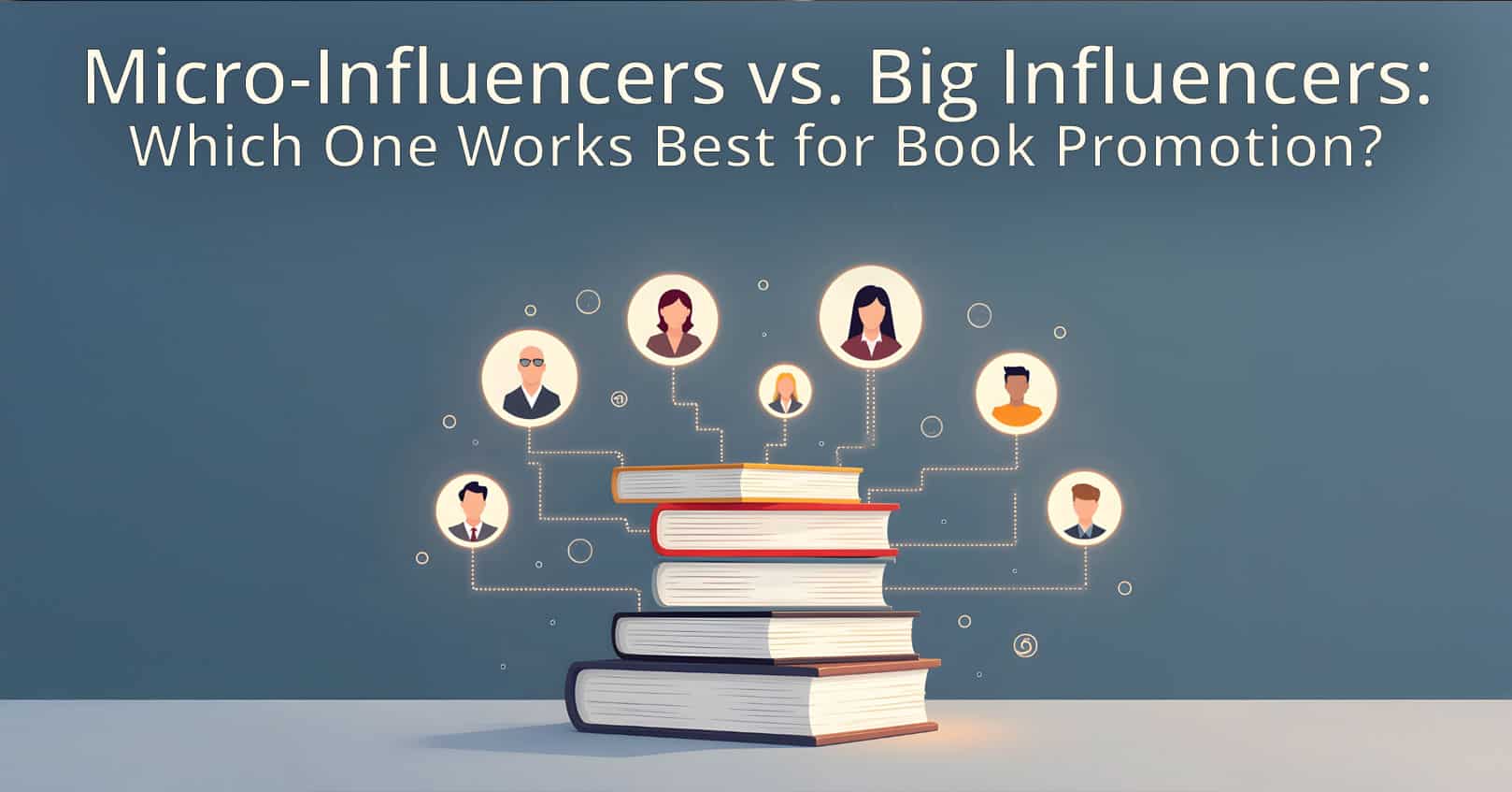
Book promotion today often comes with one big question: should you aim for a massive influencer with hundreds of thousands of followers, or focus on smaller creators with tight-knit, loyal audiences? Both options can work, but they work in very different ways. Understanding those differences helps you spend your time, money, and energy where it matters most.
What Counts as a Micro-Influencer?
Micro-influencers typically have anywhere from a few thousand to around fifty thousand followers. In the book world, these are often:
- Bookstagrammers and BookTok creators who post consistently
- Niche bloggers who focus on a specific genre
- Reviewers with a recognizable voice and dedicated readership
Their audiences are usually highly targeted. Followers are there because they genuinely care about books, and often about a specific type of book.
Strengths of Micro-Influencers
- Higher engagement. Comments, saves, and shares tend to be proportionally higher.
- More trust. Recommendations feel personal rather than promotional.
- Affordability. Many work in exchange for review copies or modest fees.
- Genre alignment. Romance readers follow romance reviewers. Fantasy readers follow fantasy reviewers.
For authors, especially indie or midlist, this alignment can translate directly into sales and long term readers.
Limitations
- Smaller reach. One post will not create a viral spike.
- Coordination required. You often need several micro-influencers to create momentum.
What Counts as a Big Influencer?
Big influencers usually have hundreds of thousands or even millions of followers. In the book space, this might include:
- Viral BookTok creators
- Celebrity readers
- Large lifestyle influencers who occasionally feature books
Their platforms are designed for visibility and rapid exposure.
Strengths of Big Influencers
- Massive reach. One mention can put your book in front of a huge audience.
- Social proof. Being featured by a well known name adds perceived legitimacy.
- Potential virality. A single post can trigger algorithmic momentum.
This can be especially effective for books with broad appeal or strong visual hooks.
Limitations
- Lower engagement ratios. Not all followers are active readers.
- High cost. Paid placements can be expensive.
- Less targeting. Your book may reach many people who are not your ideal readers.
Which One Works Best for Book Promotion?
The honest answer is that it depends on your goals.
If your priority is:
- Consistent sales
- Long term readership
- Reviews and word of mouth
Micro-influencers usually deliver better results. Their audiences listen, trust, and act.
If your priority is:
- Brand awareness
- Launch buzz
- A chance at virality
A big influencer can be powerful, especially when paired with other marketing efforts.
Genre-Specific Considerations
Different genres respond differently to influencer marketing. Romance and fantasy tend to thrive with micro-influencers because readers in these communities actively seek recommendations and participate in discussions. Literary fiction may benefit more from established book reviewers and larger platforms with credibility in literary circles. Thrillers and mysteries often do well with a mix, where micro-influencers create word of mouth momentum that bigger influencers can amplify during launch week.
How to Find and Vet the Right Influencers
Finding influencers who genuinely align with your book requires research, not just a follower count search.
Where to look:
- Search genre-specific hashtags on Instagram and TikTok
- Browse Goodreads reviewers who specialize in your category
- Check who’s tagging publishers or authors similar to you
- Join book community groups and forums to see who’s being discussed
How to vet them:
- Check engagement rates, not just followers. Look for comments that show genuine conversation, not just emojis or generic praise.
- Review their past book features. Do they read books like yours? Do their followers respond?
- Look for FTC disclosure compliance. Ethical influencers clearly mark sponsored content.
- Notice posting consistency. Sporadic posting suggests a less engaged audience.
Red flags include accounts with thousands of followers but only a handful of likes per post, comment sections filled with spam or bots, and influencers who refuse to share engagement metrics or seem evasive about their audience.
The Most Effective Strategy: Layering
For many authors, the best approach is not choosing one over the other but combining them strategically.
- Build a base with micro-influencers who love your genre.
- Encourage organic reviews and reader conversations.
- If budget allows, add a larger influencer during a launch window to amplify visibility.
Think of micro-influencers as building a fire and big influencers as throwing on lighter fluid. One without the other often fizzles out.
Building Relationships, Not Just Transactions
The most successful influencer partnerships are built on genuine connection. Start engaging with influencers months before your launch by commenting on their posts, sharing their content, and supporting their work. When you do reach out, personalize your message. Mention specific books they’ve reviewed or posts you appreciated. Explain why you think your book fits their audience, and be respectful of their time and process.
Avoid mass, generic pitches. Micro-influencers especially can tell when you’ve copied and pasted the same message to fifty people. A thoughtful approach to ten well-chosen influencers will outperform a scattershot approach to a hundred.
Timeline: When to Start Reaching Out
Timing matters. For micro-influencers, start your outreach two to three months before your release date. Many plan their content calendars in advance and need time to read your book. For bigger influencers with more formal processes, reach out even earlier, sometimes four to six months ahead, especially if you’re hoping for launch day coverage.
Send advance review copies at least six to eight weeks before publication so influencers have time to read and create content. Follow up politely if you haven’t heard back in two weeks, but respect a no or a non-response.
Tracking What Works
You won’t know if an influencer partnership succeeded unless you measure it. Use unique discount codes or affiliate links for each influencer so you can track conversions directly. Create UTM parameters for any links they share so you can monitor traffic in Google Analytics. Watch for spikes in sales, website visits, or newsletter signups that coincide with posting dates.
Beyond direct sales, pay attention to softer metrics like increased social media followers, Goodreads adds, or mentions and tags from new readers. Sometimes the value isn’t immediate revenue but expanded awareness that pays off over time.
Complementary Strategies
Influencer marketing works best when combined with other tactics. Consider building a street team of early readers who receive advance copies in exchange for honest reviews. Engage with book clubs, both in person and virtual, who might feature your book in their reading schedules. Reader ambassador programs, where dedicated fans receive exclusive content or perks for spreading the word, can create sustainable, ongoing promotion that doesn’t depend on one-off influencer posts.
These grassroots approaches pair naturally with influencer outreach and often cost little beyond your time and a few free books.
Final Thoughts
Book promotion is not about chasing the biggest numbers. It is about reaching the right readers. A smaller, engaged audience that truly loves your genre will often outperform a massive audience that is only casually interested.
When choosing influencers, ask one key question: Will this person’s audience care about my book? If the answer is yes, size becomes far less important.
In the end, influence is not measured by follower count alone. It is measured by connection, trust, and the quiet moment when a reader decides to click “buy.”











Comments